Movement Update
William Lawrence on Meatpackers, Beef Labels, and Buying Local
The Democratic candidate for Michigan's 7th answers our three questions about independent ranchers, beef origin labels, and access to local food.
By James, Field Reports Editor · 3 min read · October 4, 2026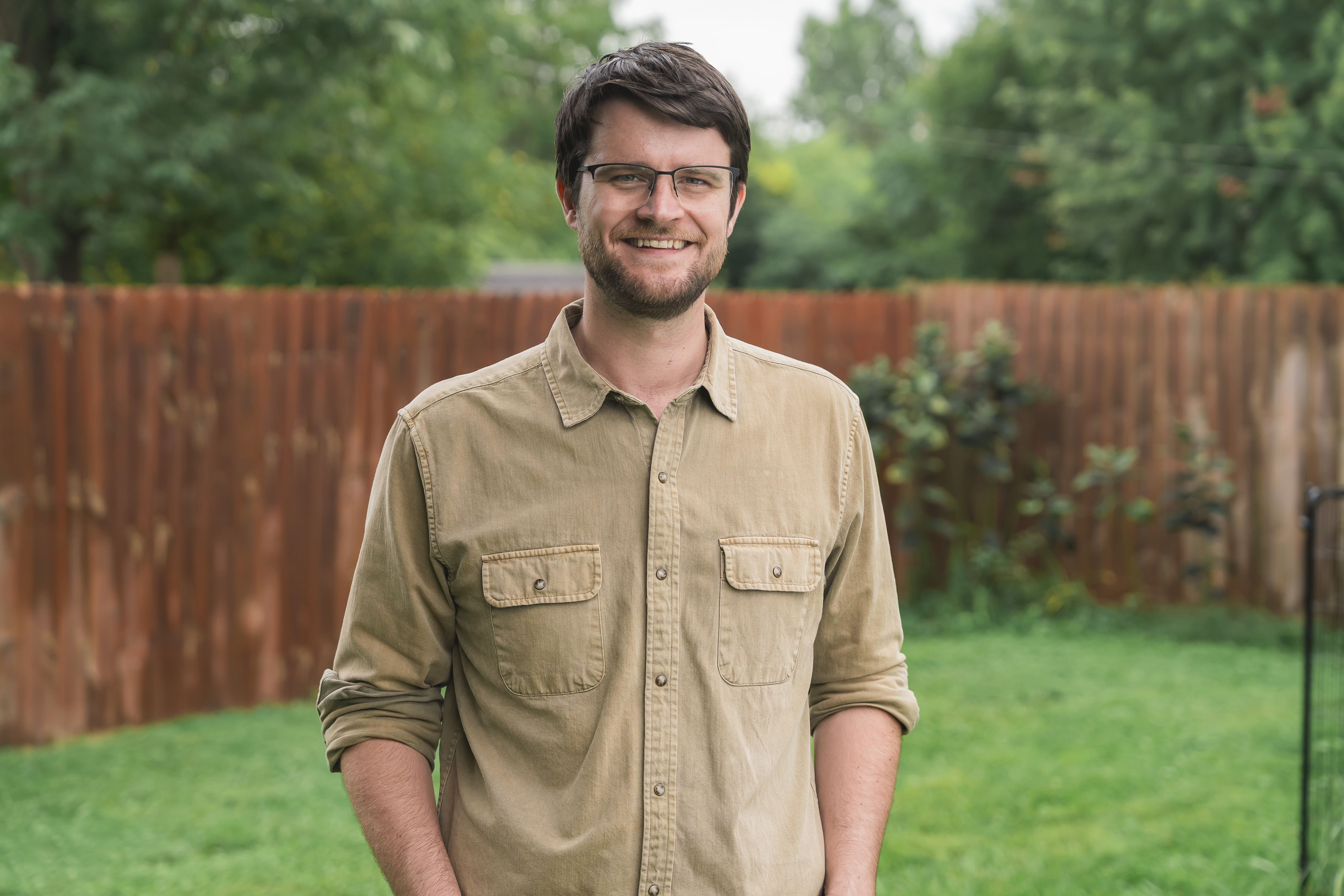
Meat prices are high. Ranchers are getting squeezed. And most shoppers still can't tell you where their beef comes from.
We sent three questions to every Democratic congressional nominee we could reach — the same three, about the things that hit your kitchen table and the farmer's bottom line at the same time. William Lawrence, the Democratic nominee in Michigan's 7th district, answered all three. His campaign sent the responses on September 30 through deputy communications director Mya Legel.
Here's what he said, in his campaign's own words.
What's one concrete thing you'd do in Congress to help independent ranchers and farmers compete with the four big meatpackers?
William Lawrence:
“Fair market competition can’t exist when more than 80% of beef processing is controlled by just four companies. Independent ranchers end up with few places to sell and the small and regional processors in our communities are getting squeezed. In Congress, I’d support real antitrust enforcement against the Big Four and back small and regional processors, so ranchers have options and we can keep more money back in our local economies.”
Blue Dot Farms: That's the whole ballgame for independent producers. When four companies control the bottleneck, the rancher takes the price they're given and the shopper pays the price they're told. Breaking the bottleneck open is the only fix that helps both ends.
Do you support mandatory country-of-origin labeling for beef? Why or why not?
William Lawrence:
“Yes. Consumers deserve to know where the food on their kitchen table comes from, and I support mandatory country-of-origin labeling for beef so shoppers can see where an animal was born, raised, and slaughtered. The American public deserves the information they need to make informed decisions not just about what they eat themselves, but what they cook for their families.”
Blue Dot Farms: Knowing where an animal was born, raised, and slaughtered gives families clearer information when deciding what beef to buy.
How would you make it easier for families in your district to buy directly from local producers?
William Lawrence:
“I would support funding the food-hub infrastructure that connects Mid-Michigan producers to the schools, hospitals, and grocery stores in our communities. I would also fight to protect the federal nutrition incentive funding that helps pay for Double Up Food Bucks which match SNAP dollars at farmers markets and grocery stores so local food is affordable for every family. I would fight to restore funding for SNAP-Ed that was eliminated under the Trump administration. This program taught people of all ages how to shop and cook healthy on a budget, including supporting their local farmers markets.”
Blue Dot Farms: Notice what ties these together: it's not just "buy local" as a slogan. It's the infrastructure that makes buying local possible — the hubs, the incentives, the education — funded instead of assumed.
Why we're asking
At Blue Dot Farms, our mission is rooted in a simple idea: know your farmer, know your food. That only works if the people asking for your vote say plainly where they stand on the policies that shape both.
Three questions. Three direct answers. Every candidate who responds gets the same treatment — their words, presented straight, so you can judge for yourself.
Sources
Take the next step
Join the movement →