Livestock & dairy
Cattle, hogs, sheep, goats, milk, cheese, and the processors or creameries that help products reach customers.
A farm-to-market consumer guide
Most people learned to buy food from a grocery shelf. This guide makes the next step easier: understand who produced it, how it moved to market, and what questions can bring you closer to the truth behind it.
Start with the basics ↓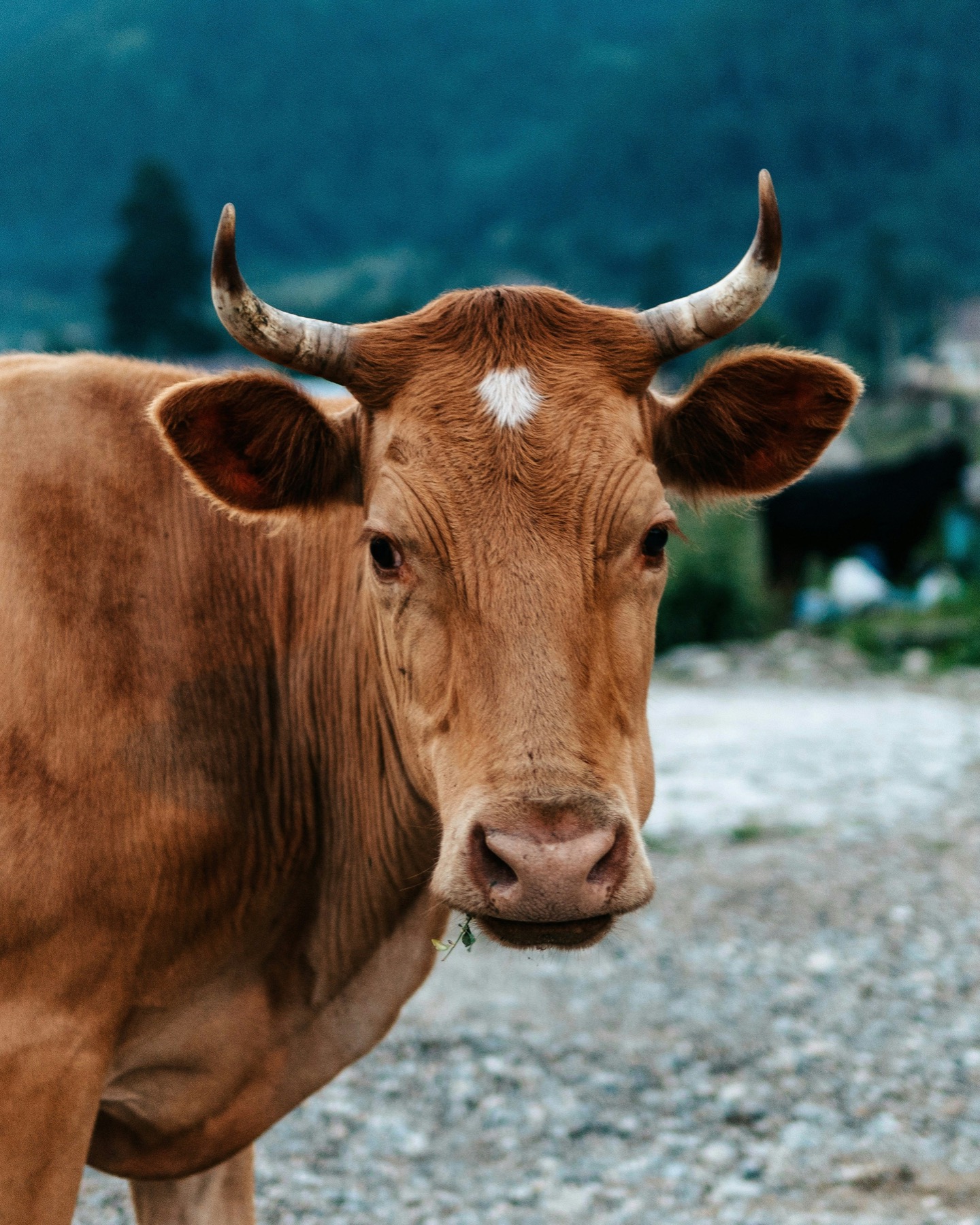
Start where you are
Buying from a grocery store is normal, convenient, and often necessary. Learning more does not require changing everything at once.
Begin with one product you buy regularly. Read the claim, look for the producer or certifier, ask what the wording covers, and compare it with a local option when one is available.
The goal is not perfection. It is a clearer connection between your values, your budget, and the people and practices your purchase supports.
From farm to market
“Farmer” is an important word, but agriculture includes many kinds of producers—and the person who grows or raises something may not be the person who processes, packs, distributes, or sells it.
Cattle, hogs, sheep, goats, milk, cheese, and the processors or creameries that help products reach customers.
Broilers, laying hens, turkeys, ducks, contract growing, outdoor access, and the differences among label claims.
Vegetables, fruit, herbs, flowers, seasonality, growing practices, storage, and farm-market availability.
Grain farms, seed growers, nurseries, plant starts, milling, cleaning, saving, and distribution.
Beekeepers, honey, wax, fiber, and other agricultural products that do not fit neatly into the meat aisle.
Butchers, packers, mills, aggregators, co-ops, distributors, and other businesses connecting producers to markets.
Consumer briefing · Poultry & eggs
Labels can communicate real standards, but they rarely tell the whole farm story. Egg-label programs, poultry-meat claims, organic certification, and private animal-welfare certifications do not all use the same rules.
A label worth unpacking
A poultry farm can be family-owned while operating under a production contract with a larger integrator. In these arrangements, growers commonly provide housing, equipment, utilities, and labor while the integrator supplies birds, feed, veterinary services, and production requirements.
That does not make the family or its work unreal. It means consumers need two separate questions: Who owns the farm? and Who controls the production system?
See the system behind the label →Ask before you assume
Primary standards
Sources checked August 2026. Standards and certification requirements can change; check the current source before relying on a claim.
Make one closer connection