
Farm Policy
What's Next For Farmers After The Blue Tsunami
Democrats take over Congress on Jan. 3. Until then, the outgoing Congress has a few weeks to pass a farm bill and keep the government open, while farmers carry higher fertilizer costs into 2027.
By James · 6 min read · November 22, 2026
Agri-Pulse, a farm policy outlet, called the Nov. 3 midterms a "blue tsunami" across the farm-state map. With Alaska called on Nov. 17, Democrats have flipped nine Republican-held Senate seats. Counting two independents who caucus with them, they will hold 56 seats, and they won the House by a comfortable margin. They take control when the new Congress is sworn in on Jan. 3.
The flipped Senate seats were in Kansas, Iowa, Texas, Ohio, Maine, North Carolina, South Carolina, Mississippi and Alaska. In Mississippi, Democrat Scott Colom beat Sen. Cindy Hyde-Smith. During the campaign, Hyde-Smith seemed to brush off high beef prices by saying shoppers could choose other proteins, and Colom turned that into a TV ad.
The election decides who writes farm policy for the next two years. Farmers head into 2027 paying more for fertilizer than a year ago, with tariffs still in place and a farm bill that expired Sept. 30. The farm bill could still be settled in the next four weeks, before any new member takes office.
Why farm country moved
Farm income has been leaning on government checks. In February, USDA forecast 2026 net farm income at $153.4 billion, or about $109 billion without direct government payments. Chapter 12 farm bankruptcies rose 46% in 2025, to 315 filings.
In the AP's survey of midterm voters, about two-thirds said President Trump's tariffs had hurt the national economy. Voters also said they want Congress to be a stronger check on the president.
The same survey found many voters still dislike the Democratic Party. Former Sen. Heidi Heitkamp of North Dakota told DTN she expects rural swing voters to rethink their choices, but she does not expect rural America to become Democratic.
The next four weeks
The outgoing Congress came back Nov. 9 for a lame-duck session set to end Dec. 18. Republicans run both chambers until Jan. 3.
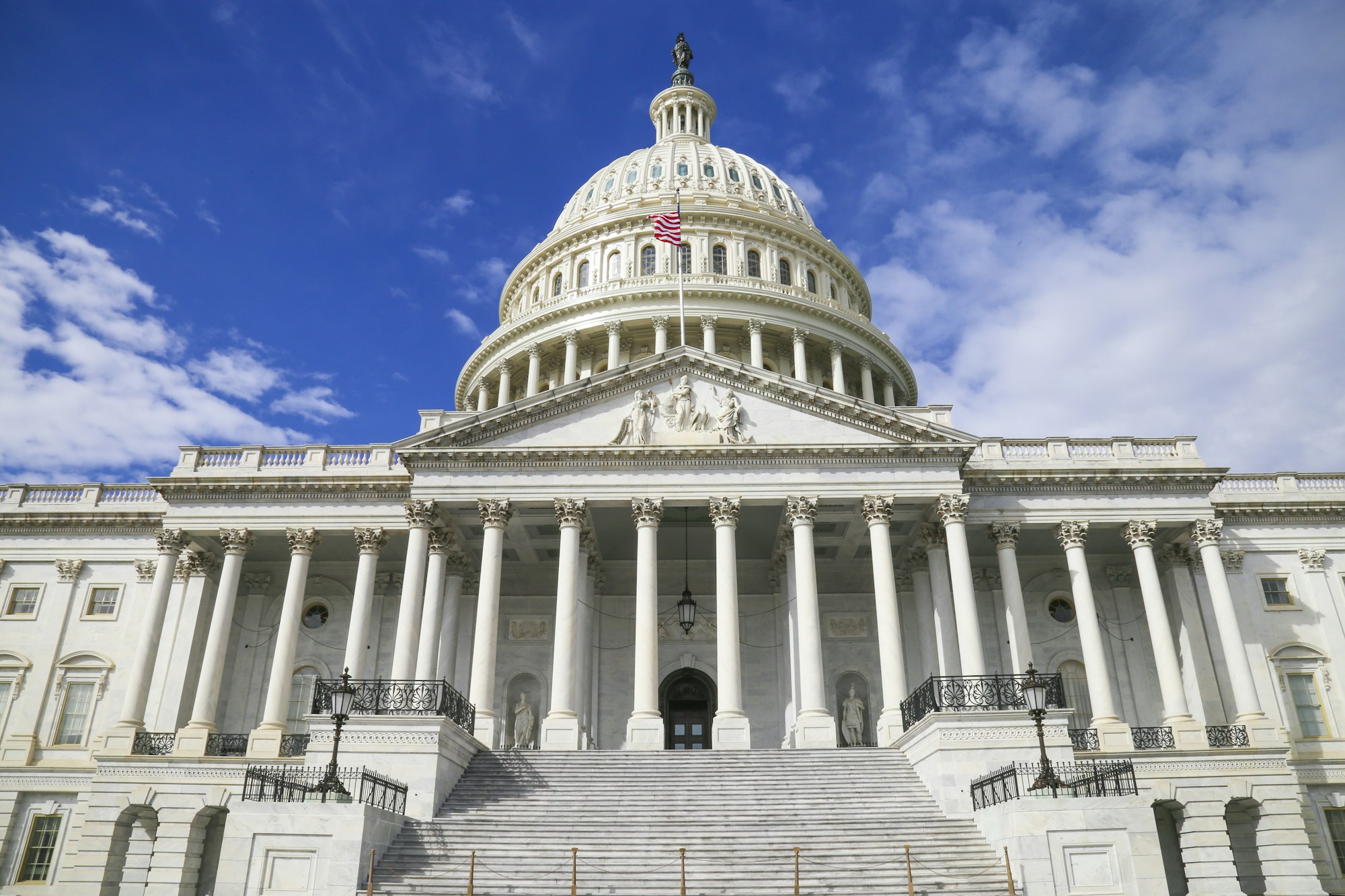
The House passed its farm bill in April. The Senate Agriculture Committee advanced Chairman John Boozman's version in September on a 12-11 party-line vote, and it still needs 60 votes on the Senate floor. The main open fight is SNAP, the food assistance program, and how soon states start paying part of its cost. Boozman wants to delay that by at least one year. Democrats want two. In mid-November, Boozman said negotiators are "close."
Government funding runs out Dec. 11. DTN reported that the funding bill could become the vehicle for a farm bill. It has happened before: in 2018, after Democrats won the House, the outgoing Republican Congress passed that year's farm bill in December.
SNAP is also changing outside of Congress. On Nov. 10, USDA proposed a rule that would limit a state option called broad-based categorical eligibility to households that receive TANF assistance as federal rules define it, mainly cash and similar benefits, rather than any TANF-funded service. USDA's own analysis estimates 6.3 million people in 3.2 million households would lose SNAP in fiscal year 2029, the first full year. The rule is only proposed so far, and public comments are open through Dec. 10.
New leaders on the farm committees
Both agriculture committees change hands in January. In the Senate, Amy Klobuchar, the committee's top Democrat, won the Minnesota governor's race and is leaving. Sen. Michael Bennet of Colorado has said he plans to chair the committee. Boozman would become the top Republican. At least seven current members are not coming back.
In the House, the top Democrat, Angie Craig, is leaving Congress. Three Democrats are running to chair the committee: Jim Costa of California, Shontel Brown of Ohio and Don Davis of North Carolina. Chairman Glenn "GT" Thompson has reached the Republican term limit for committee leaders and is seeking a waiver. Austin Scott of Georgia is seeking the top Republican seat.
The new chairs will set each committee's agenda for 2027, including whatever is left unfinished in December.
The veto
President Trump has two more years in office. Before the election he said he would become "Mr. Veto" if Democrats won, and that after a month or two of vetoes, deals would get made.
If he vetoes a bill, overriding the veto takes two-thirds of both the House and the Senate. Democrats do not have that.
What it costs to farm in 2027
On Feb. 28, the U.S. joined Israel in air strikes on Iran, and the war closed most traffic through the Strait of Hormuz, a main shipping route for oil and fertilizer. Urea is a nitrogen fertilizer that corn growers rely on. In DTN's weekly survey of retailers, it averaged $611 a ton in the last week of February, just before the strikes, and $866 by late April. Prices eased after a tentative peace deal in June.
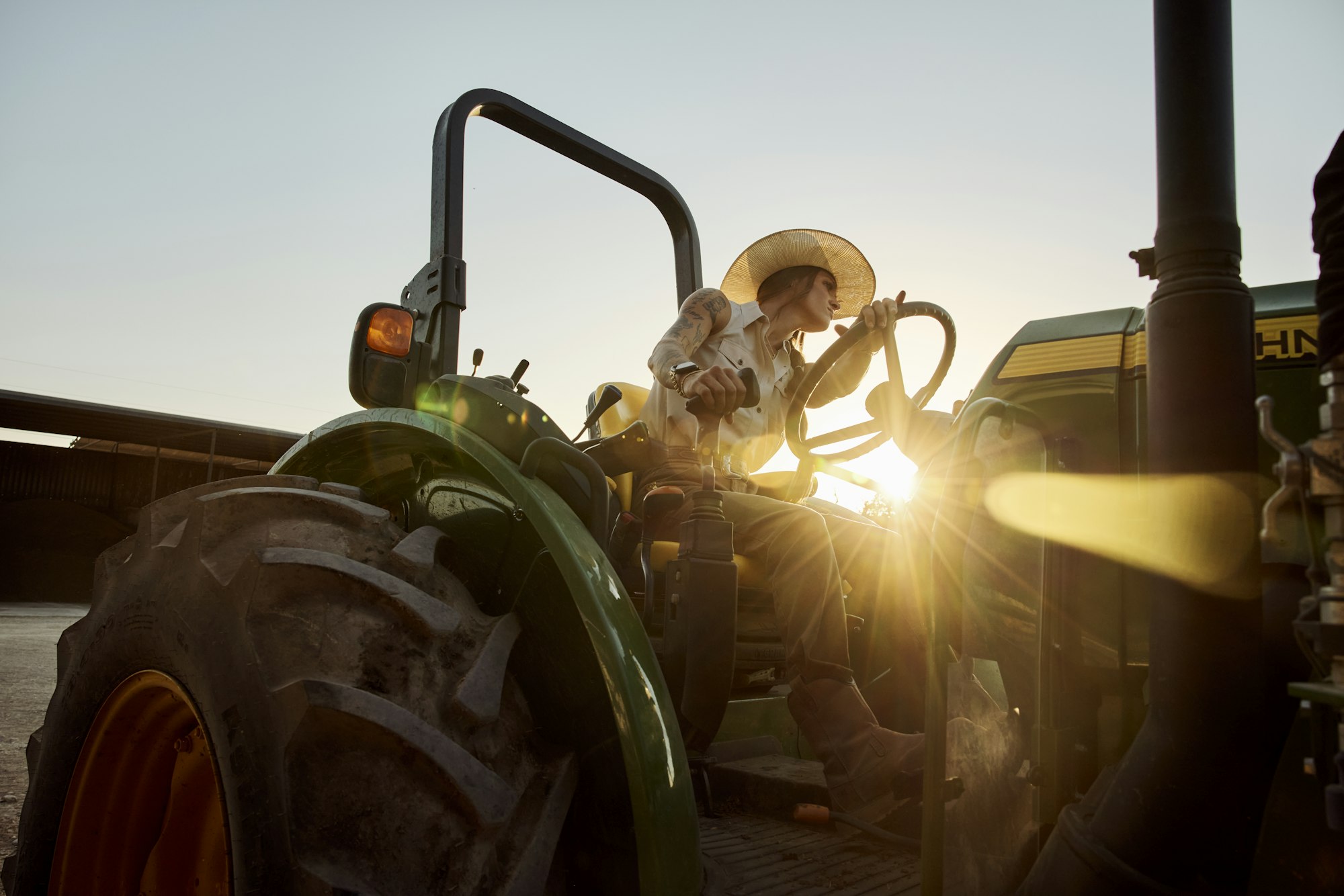
In the first week of November, the same survey put urea at $662 a ton, still above its late-February price, and anhydrous ammonia at $1,003. Urea was 11% higher than a year earlier and anhydrous 17% higher.
Many farmers bought fertilizer for the 2026 crop before the price jump. Kansas State University economist Gregg Ibendahl warned that they will not have that cushion for 2027.
Tariffs
In February, the Supreme Court ruled 6-3 that the president's sweeping emergency tariffs were not allowed. The administration replaced them with a 10% global tariff under a different law that only lasts 150 days unless Congress extends it. Congress did not, and those tariffs expired July 24. Most have since been replaced by tariffs of 10% or 12.5% on imports from about 60 countries under yet another trade law.
Trade with Canada is also under review this year as part of the USMCA, the trade deal with Canada and Mexico. Greg Ibach, the nominee for USDA's top trade post, told senators in mid-November that he wants to normalize trade with Canada as soon as possible.
Who brings in the harvest
From 2020 to 2022, 42% of hired crop farmworkers had no work authorization, according to USDA's analysis of a Labor Department survey. That survey does not count H-2A visa workers or livestock workers.
A bill to update the H-2A farmworker visa program, the Securing Agriculture's Workforce Act, is still stuck in the House Judiciary Committee. Farm labor advocates lobbied in Washington the week of Nov. 16. They point to places like southwest Kansas, where immigration raids hit meatpacking plants and voters shifted toward Democrats. But they will have to make their case to at least 104 new House members and 17 new senators after Jan. 3.
On Nov. 9, Stephen Miller, who has led the administration's immigration enforcement agenda, became White House chief of staff. Pork and poultry groups criticized the choice. A day later, the Supreme Court heard a case on whether the Labor Department can fine H-2A employers through its own judges instead of in federal court.
Data centers
On Election Day, voters in 10 states weighed in on 41 local data center measures. In 40 of them, voters chose to limit, pause or put conditions on data center development. Ohio had 21 measures, more than any other state. Three more votes are set for December in Arkansas and North Dakota. Opponents raised concerns about lost farmland, water use and higher power bills.
The work ahead
USDA counts show the number of farms falling to 1.865 million while the average farm grew to a record 469 acres, a consolidation that started long before this election.
One thing you can do this month
Contact your current U.S. representative and both senators before Dec. 11. They are the ones voting on the farm bill and government funding this session, even if they are leaving in January. Ask whether they will vote to finish a farm bill before Dec. 18, and where they stand on SNAP. Then ask the same of whoever takes office on Jan. 3.
Sources
Take the next step
More Field Reports →