Meet Your Farmer
From Farm to Pizza Oven: A Maine Restaurant Growing Part of Its Own Menu
At Wander in Cumberland, Maine, an on-site farm supplies food to a restaurant on conserved land.
By James · 3 min read · October 8, 2026
"Farm to table" is printed on a lot of menus. At Wander at LongWoods Preserve in Cumberland, Maine, the farm is the backyard.
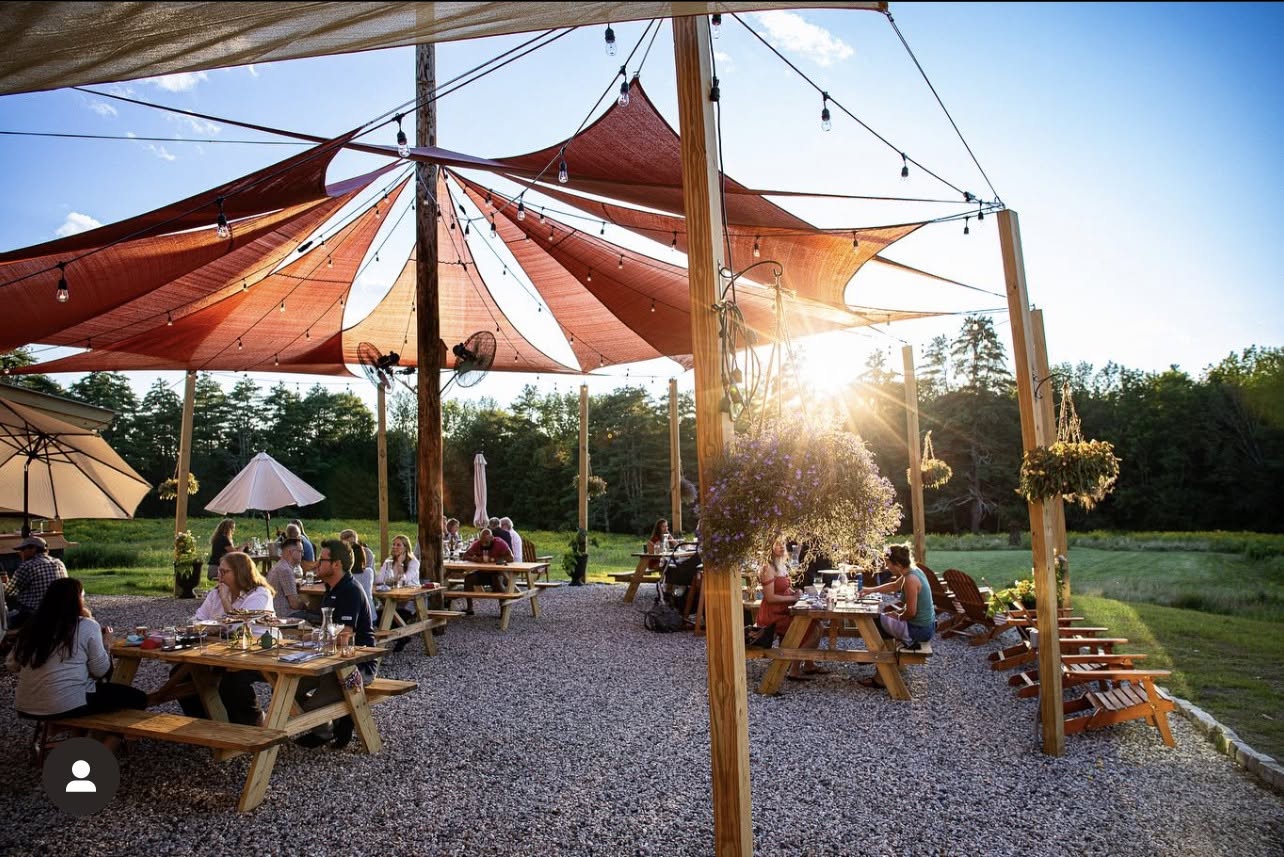
Wander shares LongWoods Preserve with a working farm, fields, forest, and wetlands. The restaurant says much of its food is sourced from its on-site farm. Chebeague & Cumberland Land Trust also reports that vegetables grown in the property's leased fields are sold to the restaurant and at a farm stand.
Wander serves handmade wood-fired pizzas in its farmhouse dining room and on a terrace overlooking fields and forest.
The farmers behind the food
In a 2024 presenter biography, Chebeague & Cumberland Land Trust identified Molly and Jordan McDuffie as the owners and operators of Ambarona Farm at LongWoods, a diversified livestock operation serving the Cumberland community.
That biography described Molly's 13 years in veterinary medicine, primarily emergency and neurology. Jordan is an Army veteran and academic who entered agriculture through food justice and climate work. The couple relocated from Colorado to Molly's home region of New England to build their farm.
The land trust described their use of multi-species rotational grazing on small acreage, along with monitoring changes to the landscape.
A restaurant built around the farm
The restaurant brings dining and food production onto the same property. Its published sourcing statement does not identify which dishes or ingredients come from the farm, or quantify that share.
For consumers, that leaves a useful question to ask: what came from the on-site farm in today's meal? A restaurant's connection to a farm is worth understanding in specific terms.
Wander's official website currently lists Wednesday through Sunday hours of 4:00 to 8:30 PM at 76 Longwoods Road in Cumberland Center. Check its current hours before visiting.
Conserving working land
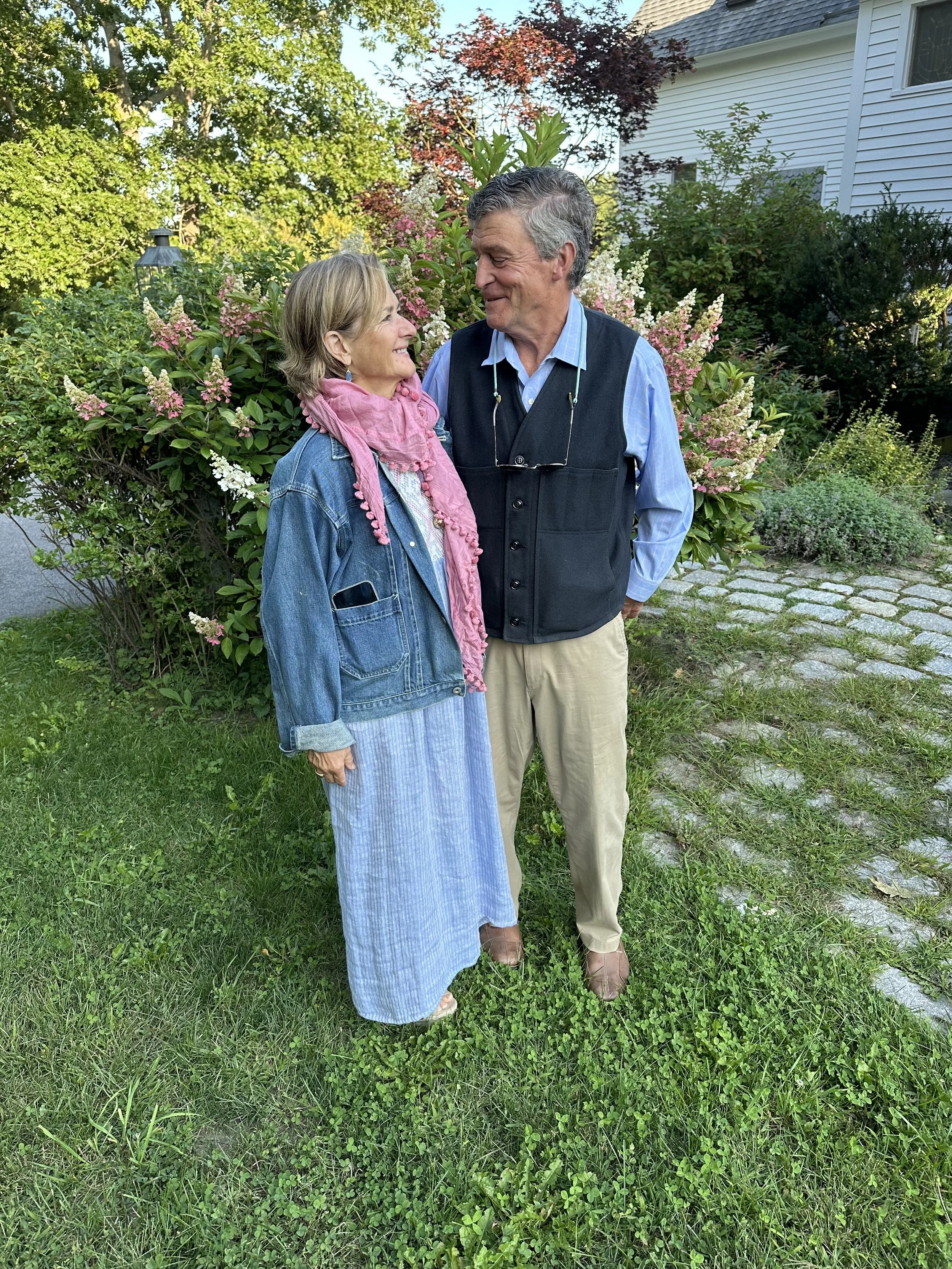
Alex and Sue Timpson describe LongWoods as a project intended to support land conservation and provide a community gathering place.
According to Wander's own history, they began the project in 2021 with the goal of creating a small business that could help finance long-term conservation. That is the project's stated aim; the public sources reviewed do not establish its financial results.
The land trust lists the privately owned preserve as 54.5 acres, including about 16 acres of fields and 38.5 acres of forest, protected through an easement with Maine Farmland Trust. Conservation purposes include agriculture, floodplain protection, wildlife habitat, and scenic views. Protecting that land supports farming opportunities; it does not promise a restaurant's future food supply.
Why this one matters
LongWoods offers a concrete example of a farm, a restaurant, and conserved land sharing one site. For a farmer, access to land matters. For a consumer, knowing which farm supplied a meal helps make a sourcing claim meaningful.
The land trust welcomes the public to a one-mile loop trail through a field and into woods beside the restaurant, with parking at Wander. Public trail access does not imply unrestricted access to working fields or permission to tour the farm.
Blue Dot Farms helps consumers learn who produces their food and how to buy from local farms. A clear sourcing conversation can make that connection more useful.
At your next restaurant meal, ask which ingredients came from a local farm and what that farm is called.
Sources
Take the next step
Join the movement →