Your Grocery Bill
Trump's Beef Import Plan Promised Shoppers a Discount. The Order Doesn't Require One.
An August proclamation let more lean beef trimmings in at a lower tariff. Prices for cutter cows fell; ground beef barely moved. The order never required a discount at the grocery store.
By James · 5 min read · October 28, 2026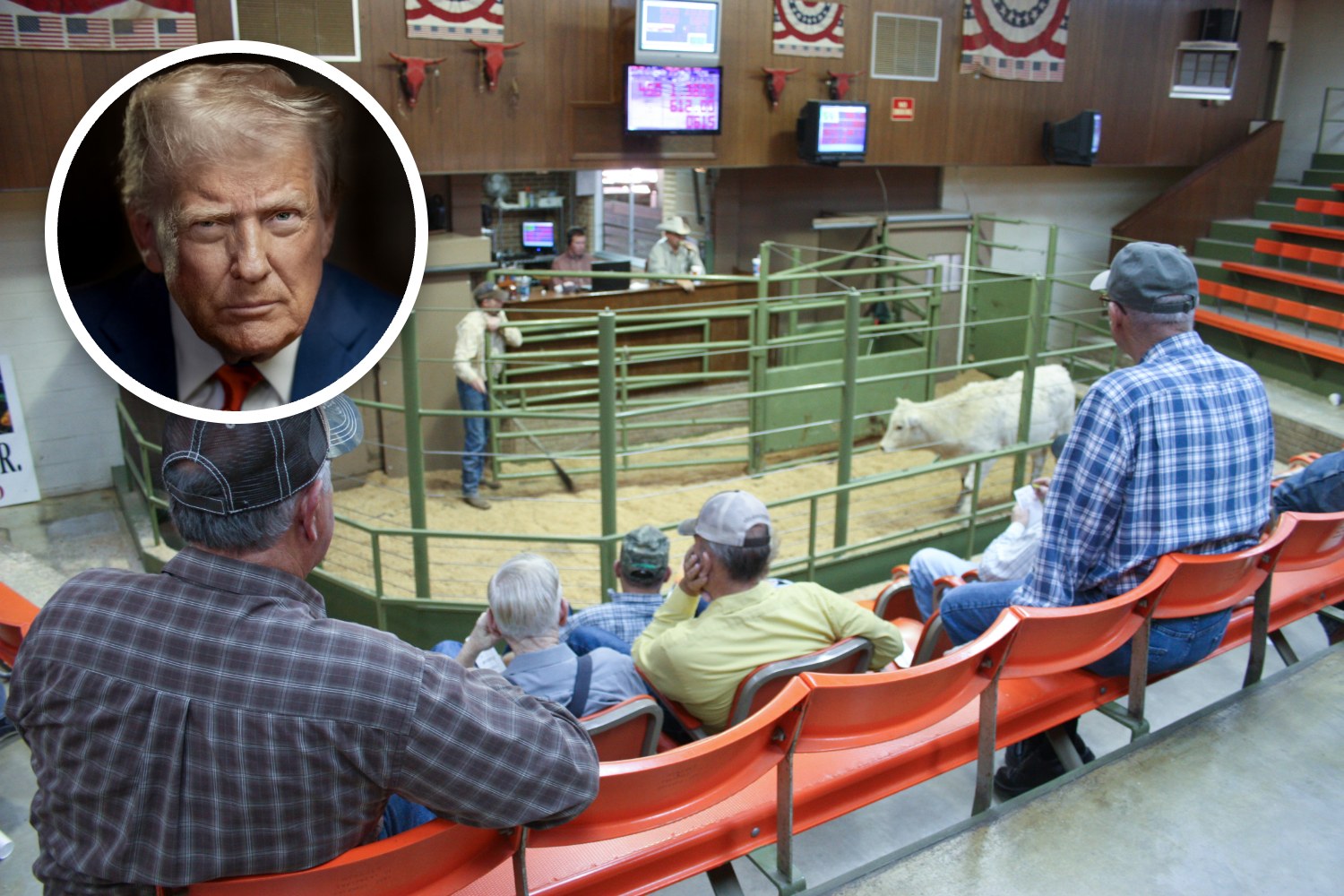
On Aug. 26, President Trump signed a proclamation letting an extra 300,000 metric tons of lean beef trimmings into the country at the lower in-quota tariff through November. Trimmings are the lean meat blended into ground beef. Trump said the countries supplying it would sell it at 25% below market prices.
The proclamation itself says something narrower. It tells the agriculture secretary and the trade representative to monitor whether imported trimmings are selling 25% below the market price for trimmings, and to notify the president if they are not, so he can decide whether to end what remains of the extra quota. Nothing in it requires importers, packers or grocery stores to pass a discount on to shoppers.
Two months in, the early numbers point one way. The farmer advocacy group Farm Action compared August prices with the closest later reporting period for each price series. By its count, prices for cutter cows, whose lean meat competes with imported trimmings, fell 12% to 14%, while the national average price of ground beef fell less than 2%. Ranchers and their trade groups say the plan cut into their income without delivering the promised savings. The administration calls it a short-term fix for a cattle herd at a 75-year low. What the numbers cannot yet show is how much of the cattle price drop the policy caused, or whether the remaining imports will move grocery prices.
What the order changed
Beef imported beyond the annual quota normally pays a 26.4% tariff. The proclamation raised the in-quota amount for four classes of lean trimmings, releasing the extra 300,000 tons in three 100,000-ton tranches: September, October, and a final window opening Oct. 31 that closes when it fills or on Nov. 30. The extra volume goes to the "other countries" quota category, where trade analysts identified Brazil as the main supplier positioned to use it.
The White House pointed to tight supply. The proclamation cites the smallest U.S. herd in 75 years, drought and wildfire, and restrictions on live cattle imports from Mexico to keep out New World screwworm. It says USDA forecasts beef output falling about 4% this year. USDA's Jan. 1 count put the national herd at 86.2 million head, the smallest since 1951.
Why ranchers see a loss
For ranchers, high cattle prices are the signal to hold back heifers and rebuild the herd. Farm groups argue the import plan blunted that signal just as producers were marketing calves in the fall.
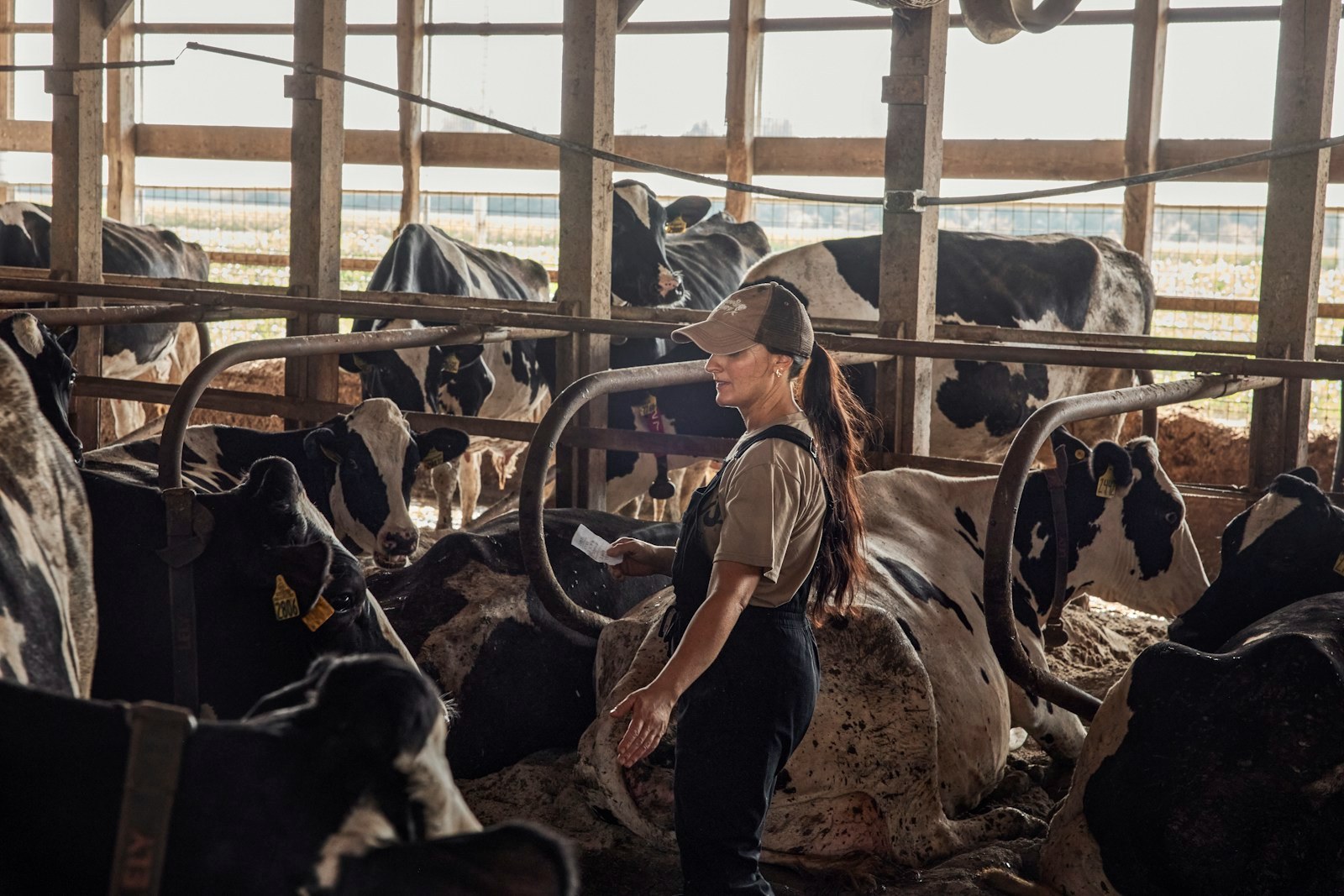
Farm Action compared August prices, before the policy took effect, with the closest comparable reporting period about a month later for each series. Live cutter cows, the lean cows whose meat competes most directly with imported trimmings, fell from $140.68 to $123.47 per hundredweight. On a carcass basis they fell from $321.98 to $277.32. The American Farm Bureau Federation reported on Sept. 4 that calves were selling $300 to $400 a head below prices two months earlier, which it attributed largely to federal efforts to lower prices.
Both figures come with limits. The Farm Bureau's two-month window began before the proclamation, while news of an import plan had been building since spring. Farm Action's snapshot compares raw prices and does not describe a seasonal adjustment. Neither analysis isolates the policy from other market forces.
Ranchers also face higher fuel costs. On Oct. 19, USDA announced plans for an $8 billion Harvest Fuel Relief program of one-time payments to offset higher fuel and input costs. The announced formula is built on planted acres and crop yields, with commodity rates due in November, and the announcement did not say how livestock producers would qualify. In an Oct. 21 analysis, agricultural law professor Roger McEowen wrote that ranchers "should not assume" the program will cover higher diesel, cattle-hauling or feed costs.
What shoppers have seen
In Farm Action's comparison, which uses its own reporting period for each series, the national average price of 100% ground beef fell from $6.92 to $6.79 a pound, based on Bureau of Labor Statistics data. Farm Bureau economists tracking 41 grocery stores found an average drop from $7.29 to $7.13 between Sept. 2 and Sept. 23, with prices unchanged at 30 of the stores.
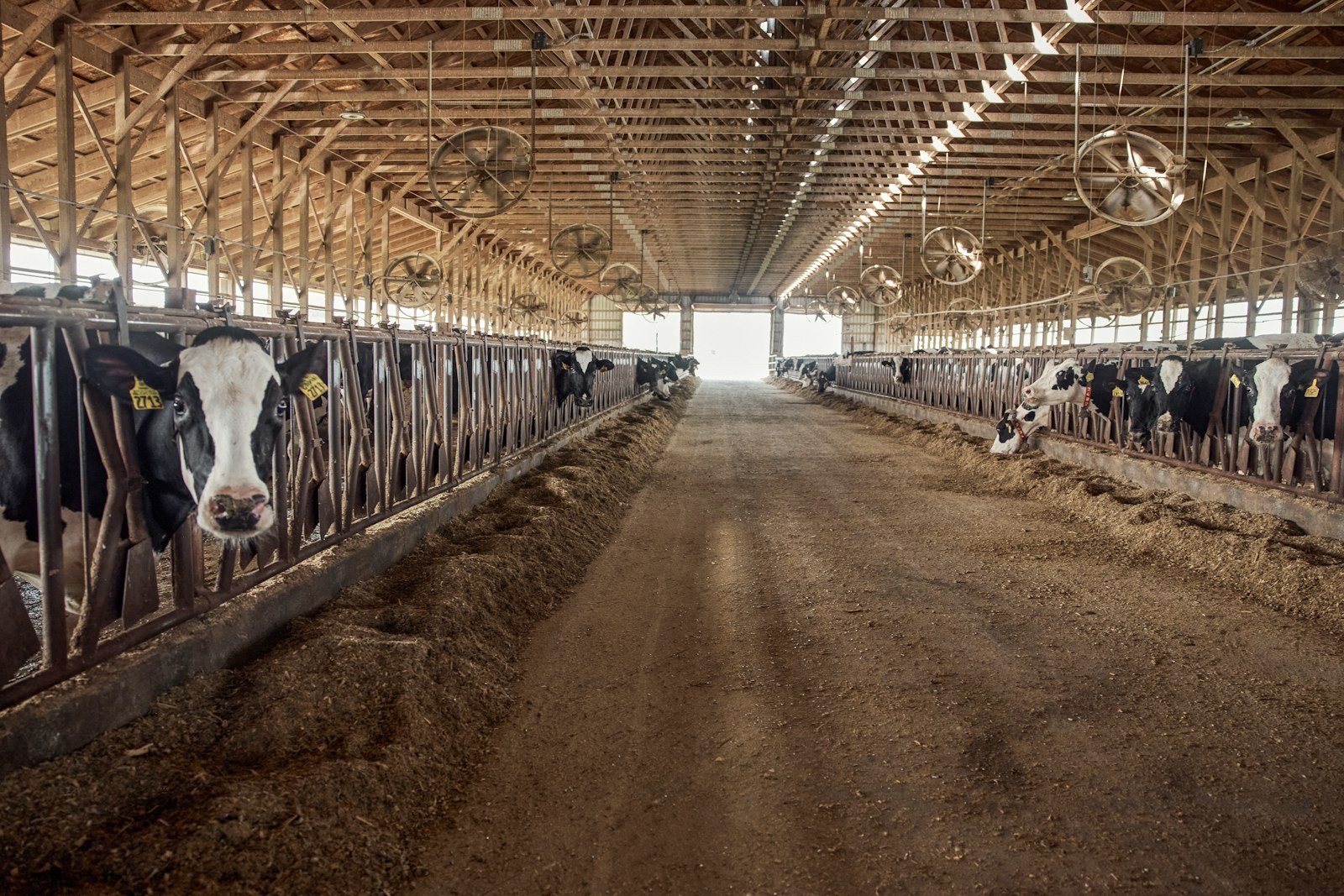
Less beef arrived than the order allowed. Through Sept. 28, 37,486 tons had entered under the first 100,000-ton tranche, according to Customs and Border Protection figures reported by RFD-TV.
Agriculture Secretary Brooke Rollins said in early October that consumers had seen some relief, without citing price data, and described the measure as a 90-day action.
The Farm Bureau's Sept. 4 analysis noted that every link in the chain, from importer to processor to grocer, decides on its own how much of the tariff savings to pass along.
The labeling question
Imported trimmings are blended with U.S. beef to make ground beef. In 2015, after World Trade Organization rulings, Congress removed beef from USDA's mandatory country-of-origin labeling program for retail stores. Imported beef sold in consumer-ready packages must still identify its foreign origin.
On Sept. 4, Trump signed an executive order directing USDA, with the trade representative, to review within 90 days whether existing law allows mandatory origin labeling for beef. Depending on that review, USDA may issue rules or the administration may recommend legislation. The order sets a 90-day deadline for that internal review, which falls in early December. It does not require a public decision by then, and it does not restore mandatory labeling by itself.
What you can do
Read the label. Under USDA rules for voluntary U.S.-origin claims, single-ingredient meat such as plain ground beef can carry "Product of USA" or "Made in the USA" only if the animal was born, raised, slaughtered and processed in the United States. The claim is voluntary, so a package without it is not necessarily imported. If origin matters to you, look for that claim on ground beef.
Sources
Take the next step
Find a farmer near you →